OPTIFLUX F160 Advanced Fresenius Polysulfone High Flux
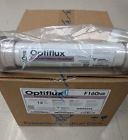
( Brand: Optiflux ), ( Manufacturer Part Number: F160 )
Review OPTIFLUX Advanced Fresenius Polysulfone High flux
Optiflux Advanced Fresenius Polysulfone High-Flux F160 - Revolutionizing Dialysis with Superior Performance
Welcome to a new era of renal care with the Optiflux Advanced Fresenius Polysulfone High-Flux F160, a game-changing dialysis product designed for unparalleled efficiency and reliability. This state-of-the-art dialyzer is engineered with cutting-edge technology to provide optimal blood purification, offering a superior quality of life for dialysis patients.
Crafted from high-quality Polysulfone material, the Optiflux Advanced F160 is built to last, ensuring durability and resistance to chemical and mechanical stress. Its high-flux design allows for increased solute and fluid removal, providing enhanced efficiency in a single session.
The F160 boasts an impressive surface area of 1.6 square meters, enabling swift and efficient dialysis. This large surface area ensures that even the most complex solutes are effectively removed from the blood stream, delivering a comprehensive purification process.
The Optiflux Advanced F160 is designed with patient comfort in mind. Its compact size and lightweight construction make it easier to handle, reducing the risk of accidental injuries. Additionally, its advanced blood flow distribution system minimizes shear stress on red blood cells, promoting a more comfortable dialysis experience.
Furthermore, the F160 is equipped with Fresenius' proprietary Optiflux membrane technology. This innovative membrane is designed to enhance dialysis efficiency while reducing the risk of complications such as membrane fouling and protein binding.
In conclusion, the Optiflux Advanced Fresenius Polysulfone High-Flux F160 is a revolutionary dialysis product that offers unparalleled performance, durability, and patient comfort. By providing superior blood purification, this dialyzer is not just a medical device, but a lifeline for those living with renal failure. Choose Optiflux Advanced F160 for a dialysis experience that prioritizes both efficiency and patient well-being.
Analysis of Optiflux Advanced Fresenius Polysulfone High-Flux F160 Dialyzer
Pros:1. High Flux: The Optiflux Advanced Fresenius Polysulfone High-Flux F160 is a high-flux dialyzer, which means it removes more waste and fluid from the patient's blood compared to conventional low-flux dialyzers. This can lead to better treatment outcomes for patients with kidney failure.
2. Polysulfone Membrane: The polysulfone membrane is biocompatible and resistant to biofouling, reducing the risk of infection and prolonging the lifespan of the dialyzer.
3. F160 Size: The F160 size is a standard size in the dialysis industry, making it compatible with a wide range of dialysis machines, providing flexibility for dialysis centers and patients.
Cons:1. Cost: High-flux dialyzers like the Optiflux Advanced Fresenius Polysulfone High-Flux F160 are typically more expensive than low-flux dialyzers. This can be a significant barrier for some dialysis centers and patients.
2. Requires Special Training: Due to its high-flux capabilities, the Optiflux Advanced Fresenius Polysulfone High-Flux F160 may require specialized training for dialysis staff to use effectively and safely.
3. Higher Blood Flow Rates: High-flux dialyzers like the Optiflux Advanced Fresenius Polysulfone High-Flux F160 may require higher blood flow rates, which can cause discomfort for some patients.
Conclusion:The Optiflux Advanced Fresenius Polysulfone High-Flux F160 dialyzer offers several advantages, including improved treatment outcomes, biocompatibility, and compatibility with standard dialysis machines. However, its high cost, requirement for specialized training, and higher blood flow rates are potential drawbacks.
Recommendation:The Optiflux Advanced Fresenius Polysulfone High-Flux F160 dialyzer is recommended for dialysis centers and patients who prioritize optimal treatment outcomes and are able to manage its associated costs and potential challenges. For centers and patients with budget constraints or concerns about staff training and patient comfort, lower-cost, low-flux dialyzers may be a more suitable option. It is always essential to consult with a nephrologist or a dialysis center to make an informed decision based on individual patient needs and circumstances.
Details:
specifications industrlasemr:
- brand: Optiflux
- mpn: F160
Payments industrlasemr:
- PayPal
Ratings:
- Fast shipping, everything was great. 08-23-18
- Thanks 08-30-18
- Good transaction, thank you. 08-25-18
- Great! 08-24-18
- This is really fast shipping and nice item. 08-25-18
Seller industrlasemr:
- zipcode: 84095
- city: South Jordan, Utah
Returns industrlasemr:
- policy: no returns
General industrlasemr:
- condition: New
- businessindustrial > mroindustrial supply > lightinglasers > industrial lasers lighting lasers
- in stock: Yes
Shipping industrlasemr:
- handling: 2 days
- type: Calculated
Offer industrlasemr:
- Started: August 31, 2018, 7:24 am
- Sold: 0
- bids: 0
- quantity: 8
- best offer: true