PACBIO 000-449-666 Pacific Ccl Module Laser Optic Camera
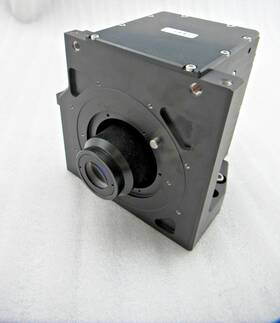
( Brand: Pacbio ), ( Manufacturer Part Number: 000-449-666 ), ( Type: Ccl Module ), ( Intended Use/discipline: Biological Laboratory, Cosmetology, Physical Laboratory )
Review PACBIO Pacific Biosciences Ccl Module Laser Optic Camera System
The **Pacific Biosciences (PacBio) 000-449-666 Pacific CCL Module for Laser Optic Camera** is a precision-engineered optical component designed exclusively for the high-performance sequencing systems developed by Pacific Biosciences. This module serves as a critical component within the company s advanced laser-based detection systems, enabling the precise measurement of fluorescence signals emitted during DNA sequencing reactions. Engineered with meticulous attention to optical integrity, the CCL (Camera Control Lens) module integrates seamlessly with the laser optics to ensure optimal light transmission, minimal signal distortion, and enhanced resolution essential for accurately capturing the subtle fluorescence variations that distinguish nucleotide incorporation during real-time sequencing. Constructed from high-grade optical materials, the module is optimized for durability and thermal stability, maintaining peak performance across extended operational cycles without degradation. Its compact yet robust design allows for seamless integration into the sequencing instrument s optical pathway, where it plays a pivotal role in directing laser light onto the zero-mode waveguides (ZMWs) of the SMRT Cells. By ensuring precise alignment and focusing of the excitation laser, this module contributes directly to the system s ability to achieve single-molecule resolution, a cornerstone of PacBio s highly accurate, long-read sequencing technology. Whether deployed in research laboratories, clinical diagnostics, or large-scale genomic applications, the CCL module underscores PacBio s commitment to innovation in optical engineering, delivering a reliable and high-performance solution for the demands of next-generation sequencing.
**Pros and Cons of buying a PacBio 000-449-666 (Pacific CCL Module for Laser Optic Camera)**
### **Pros**
1. **Compatibility and Functionality** The Pacific CCL module is specifically designed for PacBio s laser optic cameras, ensuring seamless integration with existing sequencing systems. It enhances the precision and reliability of optical detection in long-read sequencing workflows, which is critical for applications like genome assembly, structural variant analysis, and epigenetic studies.
2. **Improved Data Quality** The module likely optimizes laser-based detection, reducing noise and increasing signal clarity. This can lead to higher accuracy in base calling and improved overall sequencing performance, particularly for challenging samples like highly repetitive or GC-rich DNA.
3. **Future-Proofing** PacBio s sequencing technology continues to evolve, and this module may support upgrades or compatibility with newer software or hardware iterations. Investing in an official module reduces the risk of incompatibility with future system updates.
4. **Warranty and Support** Purchasing directly from PacBio or an authorized distributor ensures access to technical support, warranty coverage, and potential firmware updates. This minimizes downtime and reduces the risk of costly repairs or replacements.
5. **Enhanced Workflow Efficiency** A well-functioning laser optic system can streamline sequencing processes, reducing manual intervention and accelerating data generation. This is particularly valuable in high-throughput or time-sensitive research environments.
6. **Official Certification** Unlike third-party alternatives, this module is manufactured and tested by PacBio, guaranteeing adherence to strict quality and safety standards. This reduces the risk of malfunctions or voided warranties.
---
### **Cons**
1. **High Cost** PacBio equipment is known for being expensive, and the CCL module is no exception. The price may be prohibitive for smaller labs, startups, or researchers with limited budgets. The total cost of ownership (including maintenance, consumables, and training) must be carefully considered.
2. **Limited Availability and Lead Times** As a specialized component, the module may not be readily available, and ordering could involve long lead times. This could disrupt sequencing schedules, especially in urgent projects.
3. **Maintenance and Calibration Requirements** Laser optic systems require precise alignment and maintenance to perform optimally. Improper handling or lack of expertise could lead to reduced lifespan or performance degradation. Labs may need to invest in training or hire specialized technicians.
4. **Depreciation** High-end sequencing equipment depreciates quickly. If the lab s research focus shifts or funding becomes scarce, the module may become an unnecessary expense, especially if PacBio transitions to newer technologies.
5. **Dependency on PacBio Ecosystem** Relying on PacBio s proprietary hardware and software means limited flexibility. Switching to alternative platforms (e.g., Oxford Nanopore) could require significant retooling, and interoperability with other tools may be limited.
6. **Technical Complexity** Setting up and troubleshooting the module may require advanced technical skills. Labs without dedicated IT or bioinformatics support may struggle with installation, calibration, or software integration.
7. **Consumable Costs** While not directly tied to the module, PacBio s sequencing workflows involve high consumable expenses (e.g., SMRT Cells, reagents). The module itself does not reduce these costs but may amplify them if it improves throughput.
---
### **Conclusion**
The **PacBio 000-449-666 Pacific CCL Module for Laser Optic Camera** is a specialized component that offers significant benefits for labs heavily invested in PacBio s long-read sequencing technology. Its advantages such as improved data quality, compatibility, and official support make it a valuable upgrade for researchers prioritizing accuracy and workflow efficiency. However, the high cost, potential lead times, and maintenance demands must be weighed against the lab s budget, technical capacity, and long-term research goals.
For **large academic institutions, biotech companies, or well-funded research labs** with existing PacBio infrastructure, this module is likely a worthwhile investment. It can enhance sequencing performance and justify the expense through improved data output and reduced errors. Conversely, **smaller labs, startups, or budget-conscious researchers** may find the cost and complexity outweigh the benefits, especially if they lack the resources to manage high-end sequencing equipment effectively.
If the module aligns with the lab s current and future needs and if funding and technical support are in place **proceeding with the purchase is recommended**. However, labs should thoroughly evaluate their sequencing demands, explore financing or leasing options, and consider whether alternative platforms (e.g., Nanopore) might better suit their goals before committing.
For maximum value, pair this purchase with a **comprehensive cost-benefit analysis**, including long-term ROI, training for staff, and contingency plans for maintenance or upgrades. Consulting with PacBio s technical support or other users with similar setups can also provide practical insights.
Details:
More pictures provided upon request.
part #: 000449666 price
- $2975.00
specifications industrlasemr:
- brand: Pacbio
- mpn: 000-449-666
- type: Ccl Module
- intended use/discipline: Biological Laboratory, Cosmetology, Physical Laboratory
payments industrlasemr:
- wallet: Google-pay
- other
- credit card: Discover
shipping industrlasemr:
- type: Fixed
- service: FedEx 2Day
- transit: 1-2 Days
- cost: $20.00
- class: Expedited
- carrier: FedEx
seller industrlasemr:
- rating: 99.6%
- # reviews: 7622
- city: Gilbert, Iowa
offer industrlasemr:
- quantity: 1
- sold: 0
- availability: In Stock
- best offers: True
- started: March 17, 2026
- options: Ship-to-home
general industrlasemr:
- Healthcare, Lab Dental > Medical Lab Equipment, Devices > Other Medical Lab Equipment
- condition: Used
returns industrlasemr:
- policy: Returns Accepted
- method: Money back
- paid by: Buyer
- time: 30 Days
Pacbio 000-449-666 Is Similar To:
- Pacbio 001-425-310 Rsii Coherent High-power Laser Head Marking Module 1-20940 15x Red (40.2% similar) Part #: Pacbio 001-425-310 for sale...(March 16th, 2026)
- Pacbio 001-462-968 Pacific Biosciences Bexp1 Green Lens Camera Assembly Rev 02 (65% similar) Part #: Pacbio 001-462-968 for sale...(March 30th, 2026)